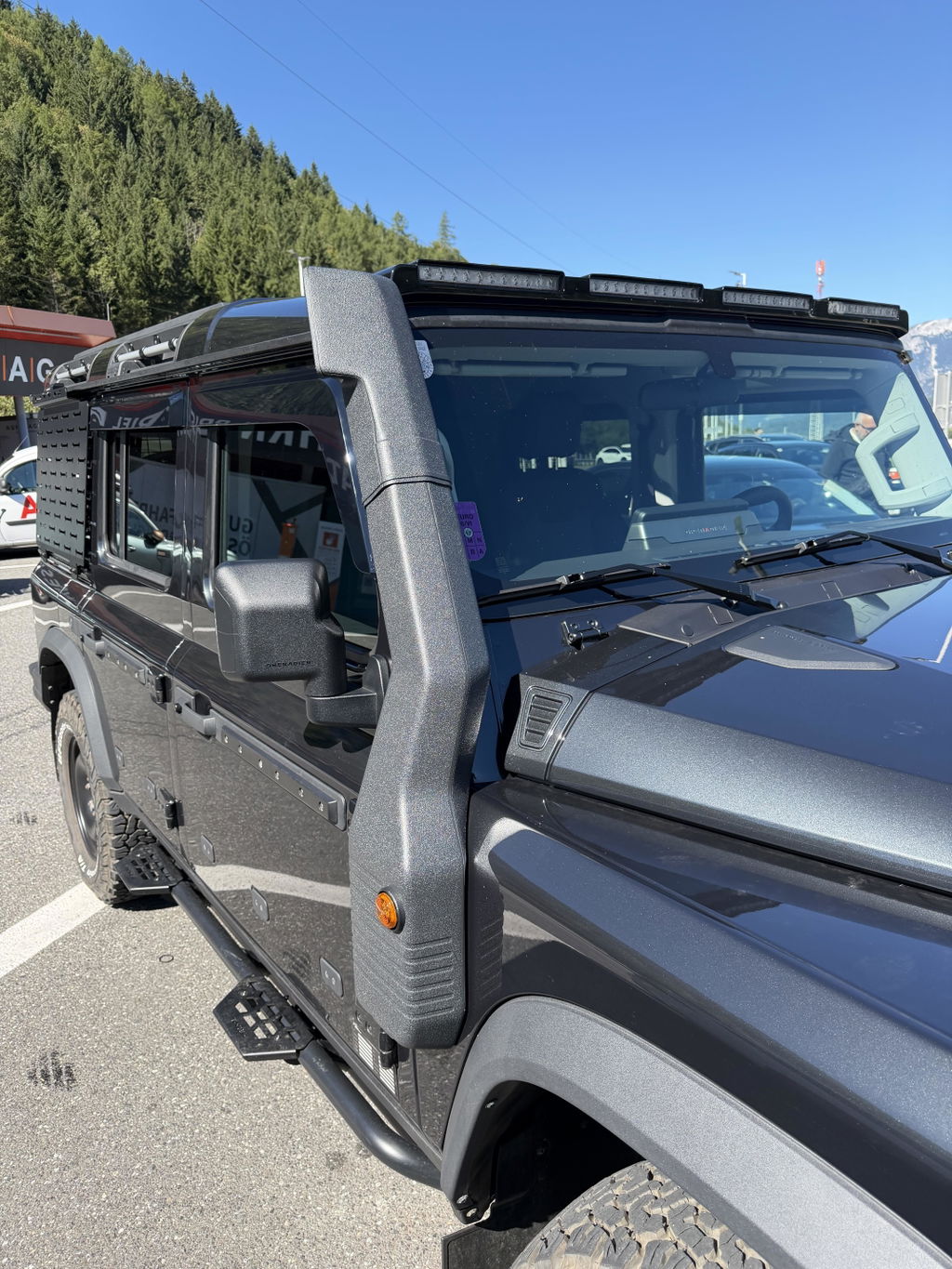
Upgrading to a Steel Bumper: What You Need to Know About Global Road Laws
For off-road enthusiasts, swapping out a factory plastic bumper for a heavy-duty steel front bumper is one of the most rewarding upgrades you can make. Whether you’re building a new Toyota Land Cruiser 250 for trail armor or outfitting an INEOS Grenadier for serious overlanding, a steel bumper delivers unmatched protection, recovery points, and winch integration.
However, depending on where you drive, the laws surrounding heavy-duty armor vary drastically. Before pulling the trigger on a new bumper setup, here’s what you need to know about global compliance and local street legality.

Our Commitment & Compliance Notice
We are a manufacturer of premium automotive accessories, specializing in professional-grade steel bumpers and armor. Our mission is to engineer rugged, high-performance equipment designed to withstand the toughest terrain on earth.
Please Note: Because motor vehicle regulations differ significantly by country, region, and state, we cannot guarantee that our steel bumpers meet street-legal standards in every jurisdiction. It is the customer's responsibility to verify local highway and vehicle modification laws prior to purchase and installation.
Regional Regulations Breakdown
US & NA United States & North America: Off-Road Ready
In the US and Canada, off-road vehicle modifications are generally welcome. Most states do not restrict heavy-duty steel bumpers, bull bars, or winch mounts for daily driving.
Key US Considerations:
- Sensor & Radar Compatibility: Platforms like the Toyota Land Cruiser 250 and INEOS Grenadier come packed with advanced driver assistance systems (ADAS). Ensure your bumper retains factory radar and parking sensor functionality.
- Local State Laws: Some states enforce strict bumper height, headlight clearance, and front license plate visibility requirements.

EU & UK Europe: Strict Pedestrian Safety Standards
If you plan to register or drive your vehicle in Europe, steel bumpers face significant regulatory hurdles due to strict European Union directives (e.g., Regulation EC 78/2009).
Why Europe is Different:
- Pedestrian Safety: EU laws prioritize crash energy absorption to protect pedestrians. Rigid steel bumpers generally fail these soft-impact tests.
- E-Mark & TÜV Certification: Road-legal aftermarket parts in countries like Germany, France, or the UK often require E-Mark, TÜV, or ITV approval. Non-certified bumpers can result in failed inspections, steep fines, or voided vehicle insurance.
Global Australia & Global Markets: ADR Compliance
Australia allows steel bumpers and bull bars, but they must comply with Australian Design Rules (ADR 69/00), requiring airbag compatibility and rounded edges. In the Middle East and South America, off-road bumper regulations are typically much more relaxed.
Smart Tips Before Installing a Steel Bumper
Identify Your Use Case
If you live in a high-regulation region (like Europe), heavy steel bumpers are perfectly fine for off-road competitions, private ranches, or trail-only rigs transported via trailer.
Check ADAS & Clearance
Modern rigs like the Land Cruiser 250 rely heavily on front-facing radar for adaptive cruise control. Always select a bumper specifically designed to clear OEM sensors.
Consult Your Local Mod Shop
When in doubt, speak with a local off-road builder or inspection body to verify what is street-legal in your town or state.